
Family-owned · Bellevue Local
Preparing Your Bellevue Lawn for Spring
A practical guide to spring lawn prep in eastern Nebraska, from soil temperature to first mow.
Free estimate
Tell us what you need
Three fields. It reaches a person here, not a call centre.
Why Spring Timing Matters in Eastern Nebraska
Spring in Bellevue can flip from chilly mornings to warm, windy afternoons in a single week. That swing is exactly why a smart plan for lawn care gives you a head start on color, thickness, and weed resistance before the heat arrives. Here is how Frontline Home Services LLC approaches spring prep so your yard wakes up strong and stays that way.
Eastern Nebraska soils often carry clay that compacts over winter and holds moisture longer than you expect. Add freeze-thaw cycles, gusty March winds, and early crabgrass pressure, and small problems can snowball by June. The good news is that a disciplined spring sequence, done in the right order and timed to actual soil conditions, addresses each one before it compounds.
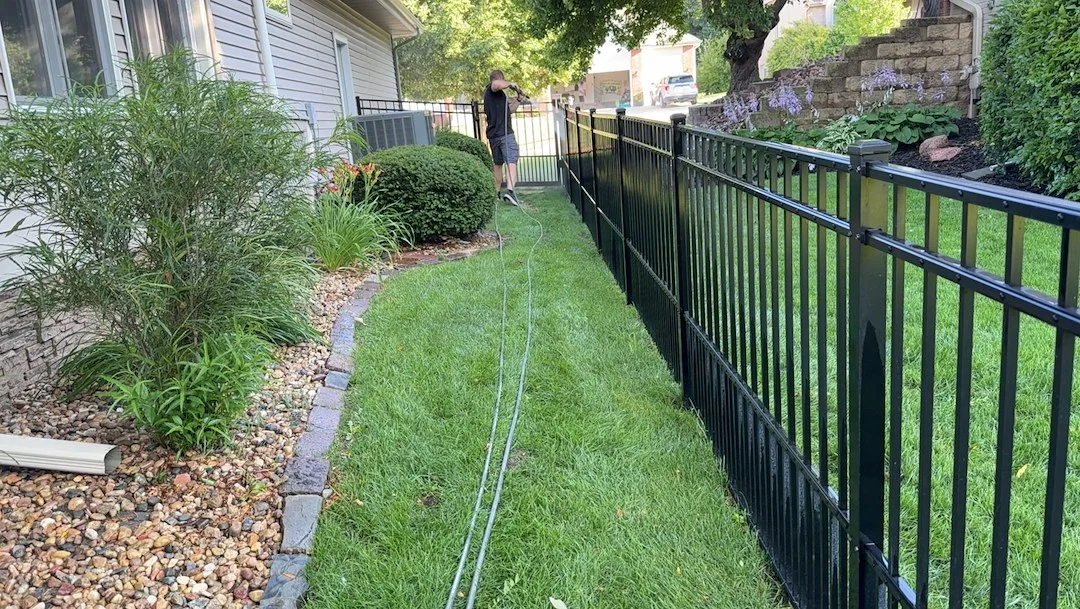
Call (402) 218-0676Debris Removal That Protects New Growth
Soil Testing for Balanced, Local Fertility
pH Balance
Eastern Nebraska clay tends to run slightly alkaline. Adjusting pH before fertilizing means nutrients are actually available to the plant rather than locked in the soil.
Phosphorus and Potassium
Phosphorus supports early root development; potassium builds stress tolerance. Spring is the right window to address deficiencies before summer heat arrives.
Organic Matter
Clay soils with low organic matter compact faster and drain poorly. Understanding organic content guides decisions about aeration and topdressing timing.
Spring Fertilization for Cool-Season Turf
Weed Control
Pre-Emergent Timing Tied to Nebraska Soil Temps
In eastern Nebraska, the go/no-go on pre-emergent weed control is soil temperature and recent weather, not the calendar date. A local schedule ensures coverage lasts into summer without gaps.
Read the Soil
Pre-emergent goes down when soil temperature consistently reaches 50–55°F at 2-inch depth. In Bellevue that window typically falls between late March and mid-April, but it shifts year to year.
Adjust for New Seeding
If spring seeding is planned, product selection and timing must be adjusted, standard pre-emergent blocks grass seed along with weed seed. Your technician maps the right path so you do not trade weeds for bare spots.
Cover the Edges
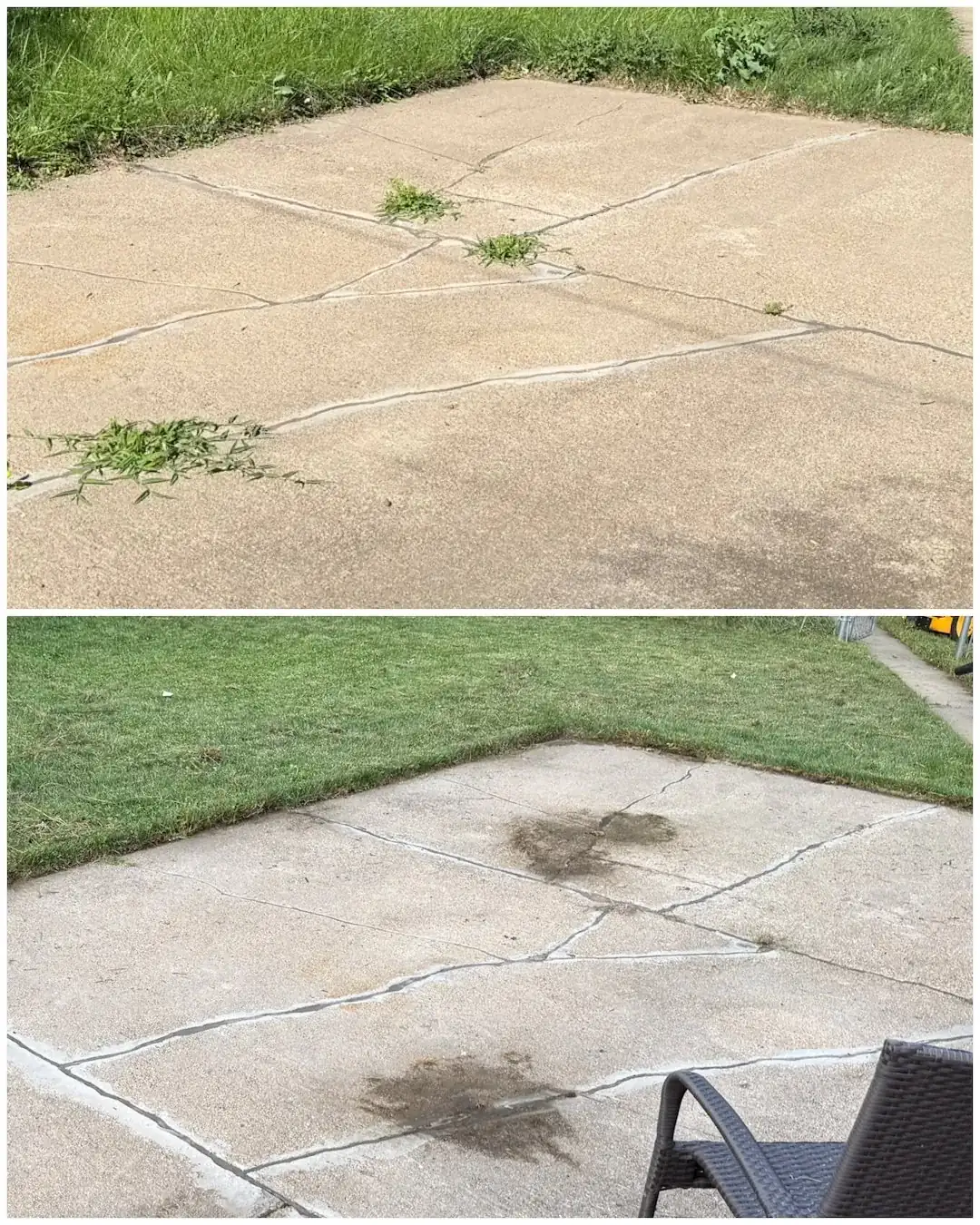
Crabgrass pressure is highest along driveways, walks, and boulevard strips where pavement radiates heat. Those zones get treated first. The result is fewer weed escapes and less hand-pulling through the season.
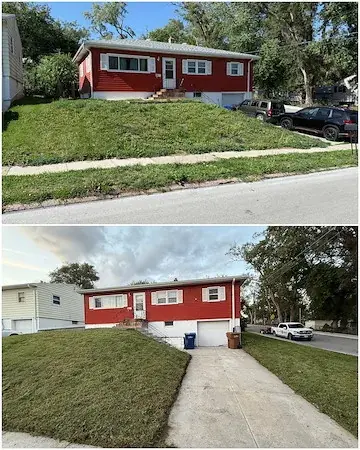
Mowing, Edging, and the First Clean Lines of the Season
Site Conditions
Drainage, Compaction, and Irrigation Checks
Season-Long Payoffs You Can See
- 01
Heat Resistance
Turf with deep roots and steady early nutrition holds color longer into summer heat and recovers faster from dry spells than lawn that was rushed through spring.
- 02
Natural Weed Suppression
Thick, dense turf leaves less open soil for weed seeds to establish. Fewer gaps in April mean less hand-pulling in June and July.
- 03
Soil Stability
A well-rooted spring lawn keeps soil where it belongs during Bellevue's windy days and heavy summer downpours, less erosion, less sediment on walks and drives.
Get started
Ready for Thicker Spring Growth?
Frontline Home Services LLC handles the timing, the materials, and the details, so you get on the calendar once and let the season unfold.
Comparing options for lawn care in Bellevue, NE? Start with a team that aligns soil data, timing, and site conditions to build real thickness and fewer weeds. Review our full lawn care program to see how it fits your yard, or call Andy directly at (402) 218-0676 to get on the schedule. You can also explore our yard work services if your property needs more than just mowing this spring.
5.0 from 42 Google reviews