
Open 24/7 Bellevue (402) 218-0676
Frontline Home ServicesBellevue, NE
Summer Lawn Watering Guide for Nebraska

Family-owned · Bellevue Local

Summer Lawn Watering Guide for Nebraska

A research-backed schedule to keep Kentucky bluegrass and tall fescue green through July and August.

Free estimate

Tell us what you need

Three fields. It reaches a person here, not a call centre.

No obligation · Responds within 1 business day


By submitting this form you agree that we may contact you about your request and share your details with partner companies for marketing purposes.

Lawn Watering Schedule Nebraska: The Basics

Hot, windy Nebraska summers can stress even the toughest cool-season lawns. Use this straightforward, research-backed plan to dial in your lawn watering schedule so your grass holds color and density through July and August. If you prefer a hands-off plan that stays on track all season, our local lawn care service can set your schedule and monitor results for you.

How Much Water Nebraska Lawns Need in Summer

Most cool-season grasses common across Nebraska, Kentucky bluegrass and tall fescue chief among them, hold color and vigor with about 1 to 1.5 inches of water per week in summer. That total includes rainfall plus irrigation. In a typical hot week with little rain, plan to supply the full amount through your system. During a heat wave or strong south winds off the Platte Valley, lawns may need the higher end of that range to avoid stress. Track your weekly total in inches, not just minutes per zone, sprinkler output varies by head type and pressure, so inches tell the real story.
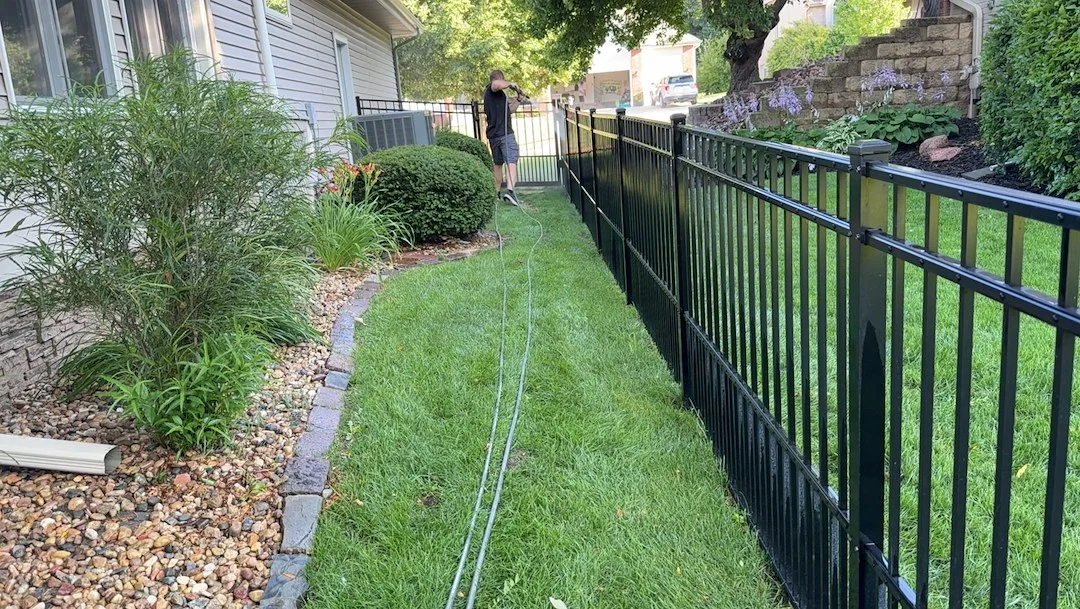
Mowed and edged side yard along a black iron fence

Frequency

Deep and Infrequent: How Often to Run Your System
Instead of watering daily, focus on deep, less frequent cycles. Two to three soakings per week usually work well in July and August when rain is scarce. Each session should push moisture 6 to 8 inches down, where roots can draw from it after the surface dries out. Deep watering trains roots to grow downward, which builds drought resilience and reduces weeds that thrive in shallow, damp soil. Avoid daily "sips", they keep roots near the surface and make your lawn dependent on the next cycle. Use the weather: when a storm drops half an inch, skip your next scheduled run and let the soil dry slightly before resuming.
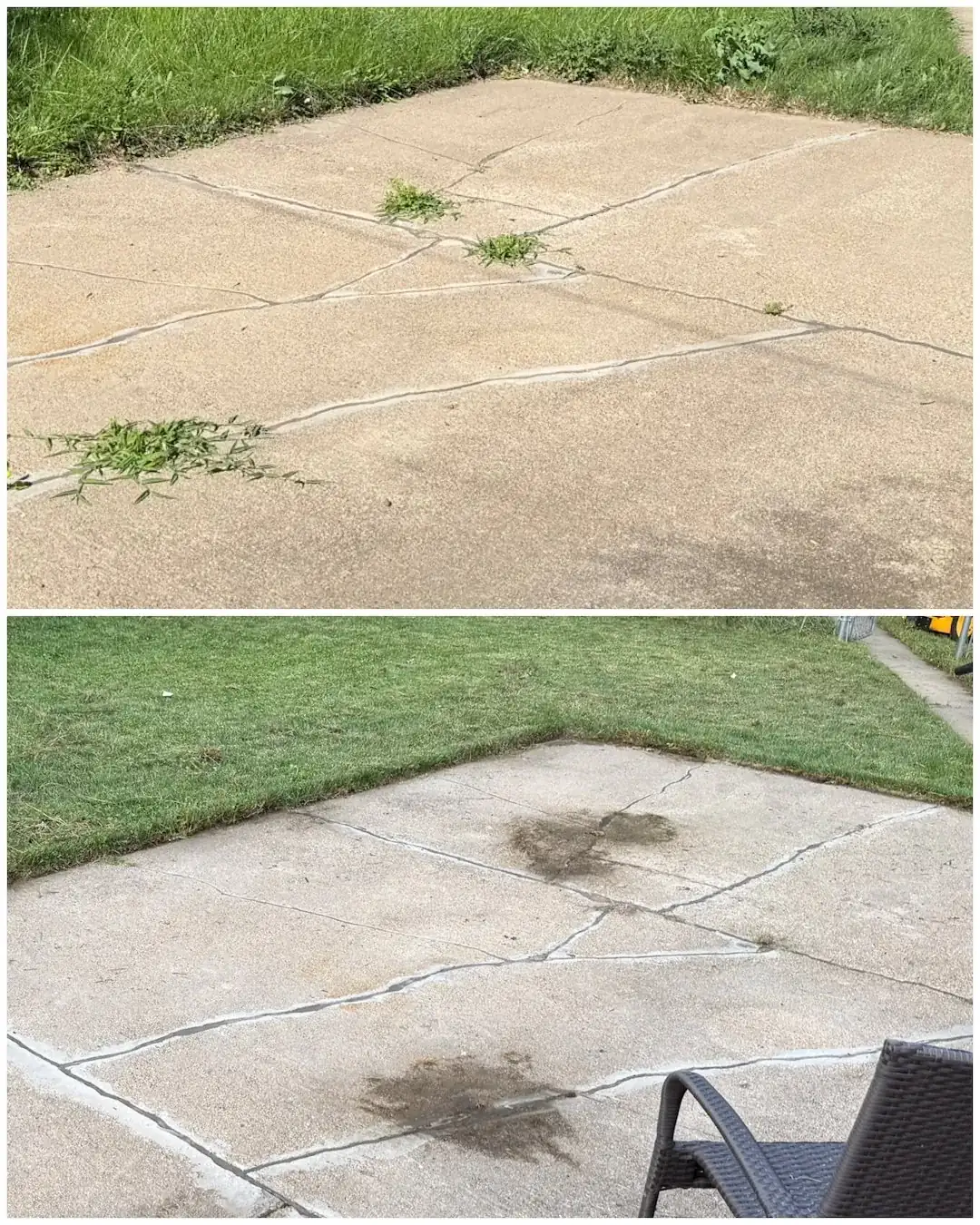
Sidewalk edging, before and after

Morning vs. Evening in Real Nebraska Heat

Evening watering is the most common mistake Omaha-area homeowners make during heat waves. Wet grass overnight in humid July air is an open invitation to fungal disease. Morning watering sidesteps that entirely. During a hot, windy stretch, bump total water toward 1.5 inches for the week, but stay deep and infrequent. If footprints linger in the lawn after you walk through it, the grass is entering mild stress, prioritize the sunniest zones first and protect high-traffic areas where wear shows fastest.
Mowed and edged side yard along a black iron fence

Signs You Are Overwatering

Overwatering wastes money, leaches nutrients, and weakens roots, watch for these signals.

01

Sponge-Soft Turf

Standing water or turf that compresses like a sponge after even short run times is a clear sign roots are saturated and soil cannot drain fast enough.

02

Mushrooms or Algae Crust

Fungal growth on the soil surface signals consistently wet conditions. Back off your schedule and let the top inch dry before the next cycle.

03

Yellowing, Limp Blades

Grass that smells of thatch and lies flat rather than standing upright is often drowning, not drought-stressed. Reduce frequency before cutting run time.

Match Watering to Your Lawn Type and Sun

Full-sun zones, south-facing slopes, areas beside concrete driveways, dry faster and may need an extra fraction of an inch per cycle. Shaded areas under trees often need less, and roots compete with tree roots for moisture anyway. Kentucky bluegrass shows stress earlier than tall fescue, so blend lawns may need you to watch the bluegrass patches as your leading indicator. Landscape weeding and mulching around beds can also reduce the moisture competition that pulls water away from turf roots.
Sidewalk edging, before and after

Soil Type

Soil in Nebraska: Getting Water Where Roots Live

Eastern Nebraska often has finer-textured or compacted soils, particularly in older subdivisions and new builds where topsoil was scraped during construction. Compacted clay pockets shed water quickly rather than absorbing it. Use a cycle-and-soak pattern: split each irrigation zone into two or three shorter runs separated by 20 to 30 minutes. This helps water travel downward instead of running sideways across the surface. Sandy or amended soils accept water faster, so longer, fewer runs work fine on those. If water tends to collect near downspouts and edges, the issue may be roof runoff rather than irrigation, worth addressing separately before you adjust your schedule.
Mowed and edged side yard along a black iron fence

When Rain Helps and When It Doesn't

Not all rain is created equal. A fast half-inch thunderstorm, common across the Omaha metro in July, may run off compacted soil before it soaks in. A slow quarter-inch overnight drizzle often does more good. Check actual soil penetration after storms rather than assuming the gauge reading equals root-zone moisture. The screwdriver test works here too: if it sinks only two inches after a storm, the soil is still dry at root depth and your irrigation schedule should continue. When a genuine soaking rain delivers three-quarters of an inch or more slowly, skip your next cycle and reset.
Sidewalk edging, before and after

Working With Smart Controllers Without Guesswork

Smart irrigation controllers that adjust for weather data can take the daily decision-making off your plate. Most will reduce or skip a cycle after rain and increase run time during heat waves. The key is programming them with accurate zone output, measure how much water each zone actually delivers in 15 minutes using straight-sided cans placed around the area, then input that figure rather than relying on manufacturer defaults. Even a well-programmed smart controller benefits from a manual check every two to three weeks to confirm sensors are reading correctly and heads are not clogged or misaligned. If you want a reliable lawn care plan without managing the details yourself, Frontline can take that off your list.
Sidewalk edging, before and after

Heat Waves and Drought Weeks: Staying Ahead Without Waste

When a stretch of days above 95°F hits, and Nebraska summers deliver them reliably, lawns can shift from healthy to stressed in 48 hours. Bump total weekly water toward 1.5 inches, but spread it across the same two to three deep cycles rather than adding extra days. If the lawn enters visible dormancy with a grayish cast and footprints that linger for several minutes, water deeply once and wait. Dormant turf is not dead turf; forcing it back with frequent shallow watering does more harm than letting it rest. High-traffic areas and newly established sections need the most protection during drought weeks, prioritize those zones first if your system has capacity limits.
Sidewalk edging, before and after

Complying With Local Water Restrictions

Bellevue and Omaha metro communities occasionally issue watering restrictions during peak summer demand or drought declarations. These typically limit watering to certain days by address or prohibit midday irrigation. Deep, infrequent watering already aligns with most restriction schedules, two to three days per week at early morning hours fits within virtually every local ordinance. Check your municipality's current guidelines at the start of each summer and bookmark the page. Building a deep-root lawn through the spring and early summer also makes your turf more resilient when restrictions tighten, so it can go longer between cycles without visible stress.
Mowed and edged side yard along a black iron fence

Get started

Keep the Rest of Your Yard in Shape This Summer

A great lawn is easier to keep than it is to rescue.

A solid watering schedule does most of the work, but a well-maintained lawn also needs consistent mowing height, keep cool-season grasses at 3 to 4 inches in summer to shade soil and reduce moisture loss. If the bigger picture feels like too much to manage alongside everything else, Frontline handles grass cutting, yard cleanup, and seasonal care across Bellevue and the Omaha metro, seven days a week. Call Andy at (402) 218-0676 to set up a schedule before the mid-summer rush.

5.0 from 42 Google reviews

Related

Instant Quote Text for Quote