Open 24/7 Bellevue (402) 218-0676
Frontline Home ServicesBellevue, NE
Top 5 Summer Lawn Care Mistakes in Nebraska

Family-owned · Bellevue Local

Top 5 Summer Lawn Care Mistakes in Nebraska

Papillion's heat, clay soils, and afternoon storms make summer the hardest season to get right.

Free estimate

Tell us what you need

Three fields. It reaches a person here, not a call centre.

No obligation · Responds within 1 business day


By submitting this form you agree that we may contact you about your request and share your details with partner companies for marketing purposes.

Why Nebraska Summers Punish Neglected Lawns

Summers in Papillion bring heat, humidity, and quick swings from dry spells to heavy storms. That combination is hard on turf and easy on weeds. If your yard looks thin, patchy, or overrun by crabgrass by July, the cause usually traces back to one of five recurring mistakes, not bad luck, and not bad grass.

Papillion sits in a zone where cool-season grasses like Kentucky bluegrass and tall fescue dominate. These grasses thrive in spring and fall but slow down when daytime highs push into the 90s. Add the compacted clay soils common across Sarpy County and the afternoon thunderstorms that roll through weekly, and you have the perfect setup for stress, fungus, and weed pressure. A yard can go from green to brown at the edges fast if it is cut too short or watered at the wrong time. Our lawn mowing and maintenance program is built around exactly these conditions. Here is what most homeowners get wrong.

Call (402) 218-0676

Mistake 1: Cutting Grass Too Short

Scalping is the fastest way to weaken turf. When blades are cut below their healthy height, the plant has less leaf surface to make food. Roots shrink, soil heats up, and weeds like crabgrass and spurge move in. The short, golf-course look is appealing, but most home lawns in Nebraska are not built for it, and the compacted clay underneath makes recovery slow. Keep more blade, grow more root. Pros set seasonal mowing heights that protect the plant during heat. They also rotate patterns to limit ruts, and they keep blades sharp so the grass is sliced clean rather than torn. Torn tips dry out and turn white, which makes the lawn look dull even when it is well fed.
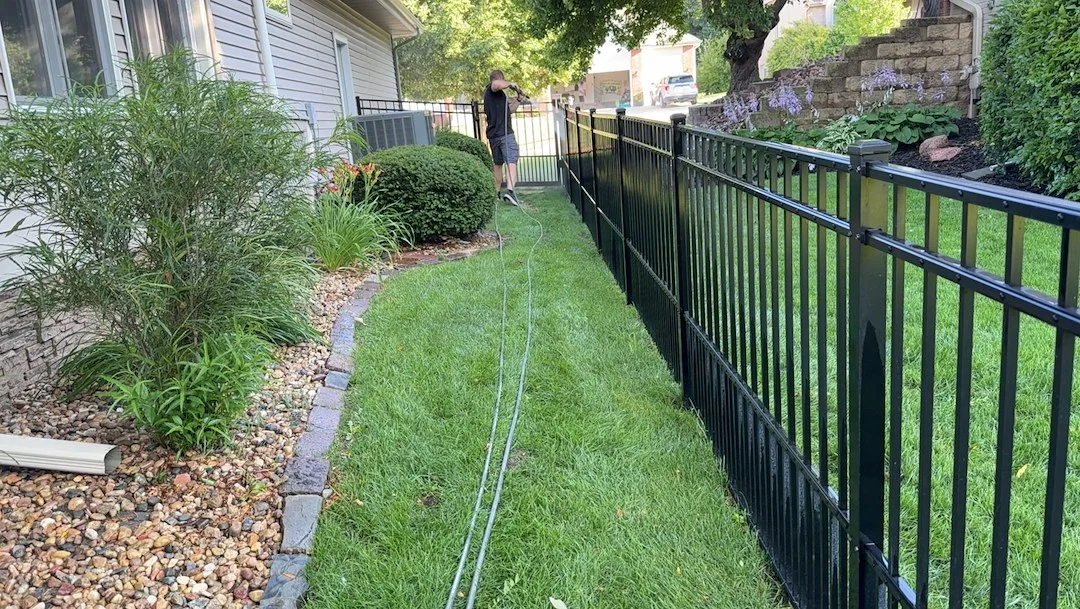
Mowed and edged side yard along a black iron fence

Mistake 2: Watering at the Wrong Time

Evening watering is the most common mistake Sarpy County homeowners make. Water sitting on blades overnight creates the conditions leaf spot and other fungal diseases need to spread. Midday watering is wasteful, most of it evaporates before it reaches the root zone. Early morning is the safest window. A smart watering program watches weather patterns, rainfall totals, and soil moisture so the lawn gets deep, infrequent soaking instead of quick daily sips. That approach trains deeper roots and makes the yard more resilient when a hot, dry week settles over the Omaha metro. Shallow watering does the opposite: roots stay near the surface where the soil bakes first.
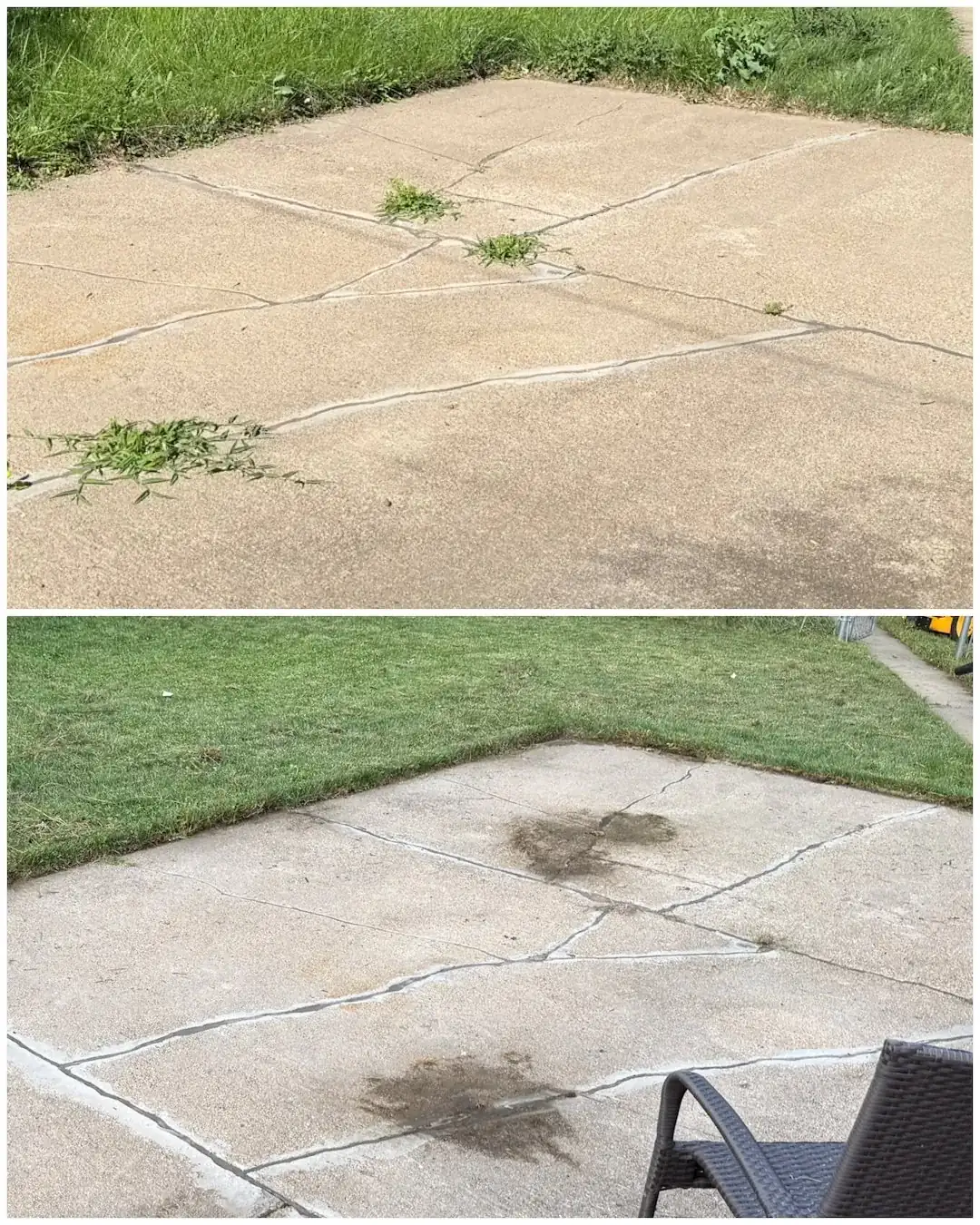
Sidewalk edging, before and after

Weed Pressure

Mistake 3: Ignoring Weeds Until They Spread

01

Crabgrass and Foxtail

Annual grassy weeds that germinate when soil temps hit 55°F, often in late April along Papillion driveways and sidewalks. Pre-emergent timing is everything.

02

Broadleaf Weeds

Dandelions and plantain spread fast in thinned turf. Spot treatment works early; by midsummer a whole-lawn approach is often necessary.

03

Why Thin Turf Is the Root Cause

Weeds exploit bare soil. A thick, properly mowed lawn crowds them out naturally. Getting the mowing height and watering right reduces weed pressure more than any single herbicide application.

Soil and Nutrition

Mistake 4: Feeding the Lawn Without a Plan
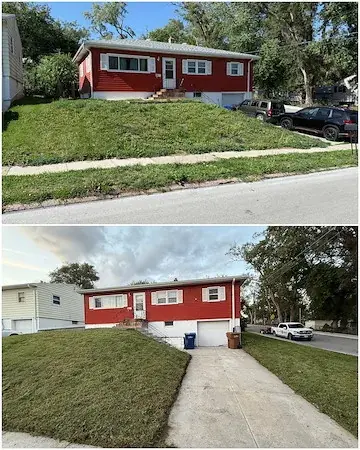
summer lawn mistakes work, project example in Bellevue, NE
It is tempting to toss down a high-nitrogen fertilizer when the lawn starts to fade. That quick burst can cause surge growth that burns through water reserves and invites disease. In heavy Nebraska clay, too much product can also run off during storms and never reach the roots where it is needed. A balanced plan spaces out slow-release nutrition and adjusts by season. Soil testing tells you what the yard is actually missing. Not what the bag says it needs. In Papillion's compacted clay, phosphorus and potassium often matter more than nitrogen in midsummer. Feeding the lawn on a schedule instead of a reaction keeps growth steady rather than in peaks and valleys that stress the plant.

Mistake 5: Skipping Edges, Cleanups, and Equipment Care

Sharp blades and clean decks are more than cosmetic. Dull blades fray leaf tips and make grass lose water faster. Those whitened, ragged tips you see after a cut are a sign the blade needs sharpening, not that the lawn is sick. Clean equipment also reduces the chance of tracking fungal spores from one area of the yard to another. Edges matter too. Overgrown borders along sidewalks and driveways trap heat and moisture, creating exactly the conditions crabgrass prefers. In Papillion, late-afternoon thunderstorms can leave turf damp well into the evening, so timing mowing to allow drying time before nightfall is worth building into a regular schedule. A yard cleanup pass at the right intervals keeps clippings managed and reduces thatch buildup over the summer.
Sidewalk edging, before and after

Signs Your Lawn Is Already Under Stress

  1. 01

    Footprints or mower tracks that linger for minutes instead of bouncing back quickly

  2. 02

    Grass tips whitening or browning after every cut, even with regular watering

  3. 03

    Purple or blue-green patches during hot afternoons that turn straw-colored by evening

  4. 04

    Crabgrass or foxtail thickening along driveways, sidewalks, and sun-baked corners

After a Storm

Papillion Weather Patterns to Keep in Mind

01

Late-Afternoon Storms

When a late-day storm soaks the yard and the night stays warm, fungus like leaf spot can find a foothold quickly. The fix is not more water. It is smarter water and cleaner cuts. Irrigation timing should support recovery without keeping leaves wet overnight.

02

Microclimate Variation

North-facing beds, pavement edges, and low spots each behave differently under summer stress. Pros watch for telltale patterns after big rain events and adjust mowing rhythm so the lawn can dry between passes.

03

Clay Soil Drainage

Papillion's compacted clay drains slowly after heavy rain. Standing water stresses roots and can accelerate fungal spread. Core aeration in the right season improves drainage and reduces these risks significantly.

What Makes a Strong Summer Lawn Plan

A healthy yard is not the result of one big product or one good week. It comes from small, consistent actions that fit Nebraska's climate and your neighborhood's soil.

  • Seasonal mowing heights that protect roots during heat waves Kentucky bluegrass and tall fescue both need more blade left on the plant when temps push into the 90s.
  • Early-morning watering windows that reduce disease risk Deep, infrequent soaking beats daily light watering every time for root development.
  • Preventive and targeted weed control, especially at pavement edges Pre-emergent timing in spring is the most effective tool against crabgrass and foxtail.
  • Balanced, slow-release nutrition guided by soil testing What the bag says and what Papillion clay actually needs are often two different things.
  • Clean edges, clippings managed, and sharp equipment for clean cuts Equipment maintenance is a turf health decision, not just an appearance one.

How Frontline Helps Papillion Homeowners Avoid These Mistakes

crabgrass and foxtail work, project example in Bellevue, NE
Frontline Home Services is veteran-owned and operates out of Bellevue, serving Papillion and Sarpy County homeowners who want a yard that stays thick and green longer into August without spending every weekend managing it. Our lawn care program is built for Nebraska weather and neighborhood soils, not a generic schedule copied from a national franchise. We set seasonal mowing heights for bluegrass and fescue, schedule watering recommendations around heat patterns, and track weed cycles from spring through late summer. If you have been managing mulch beds or dealing with bare spots, those fit into the same visit. We also handle exterior cleaning when the yard work is done, so one call covers house washing and curb appeal from the ground up. We visit on a reliable rhythm so you can enjoy your yard on weekends without worrying about heights, timers, or weed breakouts. If you are already seeing thin patches, dull color, or fast-spreading weeds, now is the time to act, not after the next mow. Read more in our guide on keeping your lawn green through hot Nebraska summers, or call Andy at 402-218-0676 to schedule a visit.

Get started

Ready to Stop Guessing and Start Growing?

Call Frontline Home Services at 402-218-0676 or fill out our quick contact form. We serve Papillion, Bellevue, and the Sarpy County area seven days a week.

5.0 from 42 Google reviews

Related

Instant Quote Text for Quote